Shockwave Lithotripsy (ESWL) in Delhi
Urolife Stone Hospital
Munirka, Backside of Munirka Metro Station, Delhi
Best Shockwave Lithotripsy (ESWL) in Delhi
Say goodbye to painful kidney stones with the help of our best Shockwave Lithotripsy (ESWL) in Delhi. Our advanced technology and experienced team ensure a safe and effective non-surgical procedure for stone removal. Don’t let kidney stones disrupt your life any longer, schedule a consultation with us today and get back to living pain-free.
Important Links
Benefits of Lithotripsy (ESWL)
Advanteges
- Non-invasive: One of the key benefits of lithotripsy (ESWL) is its non-invasive nature, meaning that it does not require any incisions or surgery to remove kidney stones. This results in minimal pain and a much quicker recovery time for patients.
- High Success Rate: Studies suggest that, lithotripsy has a high success rate in breaking down kidney stones into smaller fragments, which can then be easily passed through the urinary tract. This reduces the need for more invasive procedures and decreases the risk of complications.
- Short Duration Procedure: Lithotripsy is also a relatively quick procedure, typically lasting only about 45 minutes to an hour. Patients are usually able to go home the same day and resume their normal activities shortly after treatment.
- No Hospital Stay: Additionally, lithotripsy eliminates the need for prolonged hospital stays or general anesthesia, making it a convenient option for those looking to avoid more intensive treatments for kidney stones.
- Safe: Overall, lithotripsy offers patients a safe and effective way to treat kidney stones without the risks associated with surgery or other invasive procedures.
- Fast Recovery: It provides fast relief from symptoms while promoting faster recovery times and minimal discomfort for individuals suffering from this common condition.
Overview of ESWL
Intro
Are you tired of dealing with the pain and inconvenience caused by kidney stones? Shockwave lithotripsy, also known as extracorporeal shock wave lithotripsy (ESWL), offers a non-invasive solution to break down these troublesome stones. This innovative procedure uses high-energy shock waves to target and fragment kidney stones into smaller pieces that can be passed more easily through the urinary tract.
ESWL is a popular choice for treating kidney stones due to its minimally invasive nature, which eliminates the need for surgery. By utilizing focused shock waves directed at the precise location of the stone, this technique effectively breaks down even large or stubborn stones without incisions.
Patients often appreciate the reduced recovery time and shorter hospital stays associated with ESWL compared to traditional surgical options.
With its impressive success rate in treating kidney stones, shockwave lithotripsy has become a go-to option for many individuals looking to rid themselves of these painful obstructions quickly and efficiently.
The Process of Shockwave Lithotripsy
Process
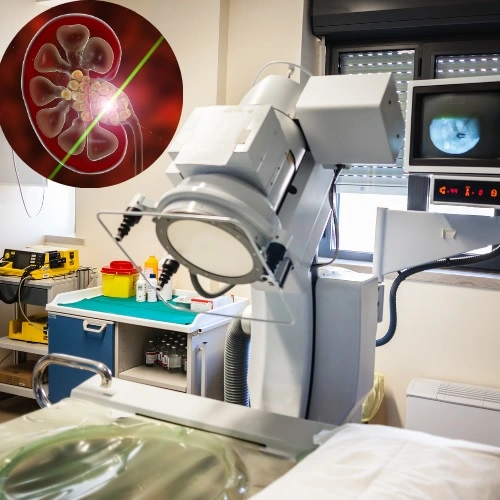
- The process begins with the patient lying on a water-filled cushion to help conduct the shockwaves. Then, an ultrasound or x-ray is used to locate the exact position of the stone.
- Once identified, a device called a lithotripter delivers targeted shockwaves to the stone externally (from outside the body). These shockwaves pass harmlessly through soft tissues and focus on breaking down the hardened mineral deposits in the kidney or ureter. Patients may experience some discomfort during this part of the procedure but anesthesia is often provided for pain management.
- The duration of ESWL can vary depending on factors such as stone size and location.
- After treatment, patients are monitored for immediate side effects, then discharged home with post-care instructions and follow-up appointments.
What to Expect During the Procedure
When you arrive for your shockwave lithotripsy procedure, you will be greeted by the medical staff who will guide you through the process. They will explain what to expect and answer any questions you may have.
Before the procedure begins, you may be given anesthesia to ensure your comfort during the treatment. Once ready, you will lie on a specialized table that positions the targeted area for treatment.
The machine used for lithotripsy generates shockwaves that are focused on the kidney stones, breaking them down into smaller pieces. You may feel some discomfort or vibrations, but it is generally well-tolerated by patients.
The duration of the procedure can vary depending on factors such as stone size and location. After completion, you may be monitored briefly before being allowed to go home to rest and recover.
Knowing what to expect during shockwave lithotripsy can help alleviate any anxiety or concerns you may have about the procedure.
Potential Risks and Complications
Complications
While ESWL is generally considered safe, there are some factors to keep in mind.
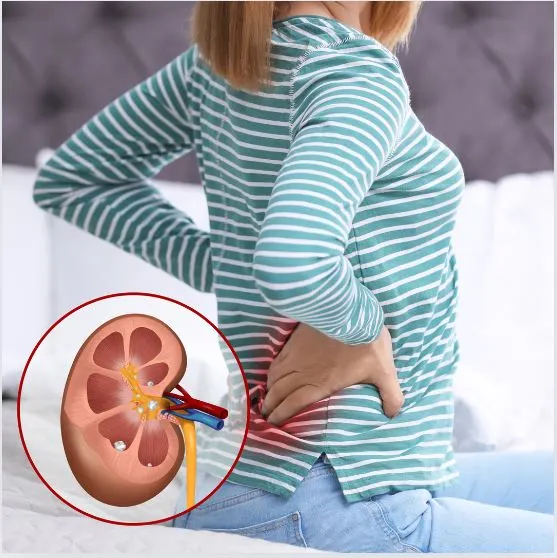
One possible risk is that the shock waves can cause damage to surrounding tissues or organs near the stone being treated. This could lead to bleeding or bruising in the area. In some cases, fragments of the stone may not pass easily after being broken up, requiring further intervention.
Some patients may also experience discomfort or pain during and after treatment as a result of the shock waves.
It’s crucial to discuss these potential risks with your healthcare provider before undergoing ESWL so you can make an informed decision about your treatment plan.
Long-term Effects
Long-term effects of shock wave lithotripsy may vary from person to person. Some individuals may experience lingering discomfort or pain in the treated area for a few days after the procedure. It’s essential to follow post-treatment care instructions provided by your healthcare provider to minimize any potential long-term effects.
In some cases, patients may notice blood in their urine for a short period following lithotripsy, which typically resolves on its own. Additionally, there is a small risk of developing scar tissue in the kidney or ureter as a result of the shock waves used during the procedure.
It’s important to stay hydrated and maintain regular follow-up appointments with your doctor to monitor for any ongoing issues related to your kidney health. Most patients do not experience severe long-term effects from shock wave lithotripsy when proper precautions are taken.
Recovery and Outlook
Recovery & Care
After undergoing shock wave lithotripsy, the recovery process is relatively quick for most patients. You may experience some discomfort or bruising in the treatment area, but this typically subsides within a few days.
It’s important to follow your healthcare provider’s instructions regarding post-treatment care to ensure a smooth recovery. This may include drinking plenty of water to help pass any remaining stone fragments and avoiding strenuous activities for a short period.
In terms of outlook, many patients find relief from kidney stones after undergoing shockwave lithotripsy. The procedure has high success rates in breaking down stones into smaller pieces that can be easily passed through the urine.
While individual experiences may vary, most people are able to resume their normal activities shortly after the procedure.
Post-Treatment Care
After undergoing shockwave lithotripsy, it is crucial to follow post-treatment care instructions for a smooth recovery.
Hydration is key in flushing out any remaining stone fragments after the procedure. Drinking plenty of water can help prevent blockages and aid in stone passage.
It’s important to avoid strenuous activities immediately following the treatment to allow your body time to heal. Resting and taking it easy will promote optimal recovery.
Your healthcare provider may recommend pain medication if you experience discomfort post-procedure. It’s essential to follow their instructions on how and when to take them.
Follow-up appointments are typically scheduled to monitor your progress and ensure no complications develop. Be sure not to miss these appointments for proper monitoring of your condition.
If you experience any unusual symptoms or have concerns during your recovery, do not hesitate to contact your healthcare provider for guidance and support. Your health is a top priority, so proactive communication is key in ensuring a successful recovery process.
Passing Stones After Lithotripsy
Important Questions
After undergoing shockwave lithotripsy to break down kidney stones, patients may experience the passing of stone fragments through their urine. This process is a natural part of the body’s healing and elimination mechanism. It is not uncommon for these stone pieces to be passed in small amounts over several days or weeks following the procedure.
The sensation of passing stone fragments can vary from mild discomfort to temporary pain, similar to the symptoms experienced before lithotripsy. It is essential for individuals to stay hydrated during this time as increased fluid intake can help flush out these smaller stone particles more effectively.
Patients should not be alarmed if they notice blood in their urine after lithotripsy, as this is also a common occurrence during the passage of stone remnants. However, if there are persistent severe pains or signs of infection, it is advisable to contact your healthcare provider promptly for further evaluation and guidance on managing any complications that may arise.
When To Seek Medical Attention?
If you experience persistent or worsening pain after undergoing shock wave lithotripsy, it is essential to seek medical attention promptly.
Discomfort that does not improve with prescribed medication or intensifies over time could indicate a complication that requires immediate evaluation by a healthcare provider.
Similarly, if you notice any unusual symptoms such as fever, chills, difficulty urinating, or blood in your urine following the procedure, don’t hesitate to contact your doctor. These signs may suggest an infection or other issues that need medical intervention.
Additionally, if you encounter severe nausea, vomiting, or develop swelling in the abdomen post-lithotripsy treatment, it’s crucial to consult with a healthcare professional for further assessment and management.
Ignoring these symptoms can potentially lead to more serious complications and delays in appropriate treatment.
Who is Eligible for Shock Wave Lithotripsy?
Shock Wave Lithotripsy is a non-invasive procedure commonly used to treat kidney stones, and not everyone may be eligible for it.
Eligibility for Shock Wave Lithotripsy depends on various factors such as the size, location, and composition of the kidney stones. Generally, individuals with small to medium-sized stones located in the kidneys or ureters are good candidates for this treatment.
Patients who are pregnant or have anatomical abnormalities that may interfere with the shock wave targeting process are usually not eligible for Shock Wave Lithotripsy.
Additionally, individuals with bleeding disorders or active urinary tract infections may also be advised against undergoing this procedure.
It is important to consult with a healthcare provider specialized in urology to determine if Shock Wave Lithotripsy is suitable for your specific condition. Each case is unique and requires careful consideration before proceeding with this treatment option.
What Size of Stones are Treated with the ESWL Procedure?
One of the key factors determining eligibility for this treatment is the size of the stones. Typically, ESWL is most effective in treating small to medium-sized stones. These stones are generally less than 2 centimeters in diameter.
Smaller stones tend to respond better to the shock waves produced during the lithotripsy process. The energy from these shock waves helps break down the stones into smaller fragments that can be passed more easily through urine.
Larger stones may require alternative treatments such as ureteroscopy or percutaneous nephrolithotomy.
It’s important for healthcare providers to assess the size and location of kidney stones before recommending ESWL.
This ensures that patients receive appropriate and effective treatment tailored to their specific condition.
What is the Duration of ESWL?
The duration of Extracorporeal Shock Wave Lithotripsy (ESWL) can vary depending on various factors. Typically, the procedure itself lasts around 45 minutes to an hour per session. However, the total treatment course may involve multiple sessions scheduled days or weeks apart.
During each ESWL session, the patient lies on a table while an imaging device helps target the stones precisely with shock waves. The actual shock wave delivery usually takes only a few minutes but may be repeated several times to effectively break down the kidney stones.
While individual ESWL sessions are relatively brief, multiple treatments might be necessary for complete stone fragmentation and clearance from the body.
Is ESWL Surgery Painful?
Patients may experience some discomfort or mild pain as the shock waves pass through the body and target the stones. However, anesthesia is often administered to help manage any potential discomfort during the process.
The level of pain experienced can vary from person to person based on individual tolerance levels and stone size. Some patients report feeling slight pressure or a sensation similar to being flicked with a rubber band during treatment.
It’s essential to communicate with your healthcare provider if you experience any significant discomfort during the procedure.
While some degree of discomfort may be felt during ESWL surgery, it is generally considered a minimally invasive and well-tolerated treatment option for kidney stones. Always discuss any concerns or questions about pain management with your medical team before undergoing the procedure.
Conclusion
Remember, every individual’s experience with shock wave lithotripsy may vary based on various factors. It is essential to consult with your healthcare provider for personalized advice and guidance.
Keep in mind that recovery times and outcomes can differ, so it’s crucial to follow post-procedure care instructions diligently. If you have any concerns or questions regarding shock wave lithotripsy, do not hesitate to seek clarification from your medical team.
Making informed decisions about your health is paramount. Stay proactive in managing your well-being and trust the expertise of healthcare professionals when considering treatment options like shock wave lithotripsy or ESWL.