Laser Kidney Stone Removal Treatment in Delhi: Urolife

Urolife Stone Hospital
Munirka, Backside of Munirka Metro Station, Delhi
Best Laser Kidney Stones Removal Treatment in Delhi
Say goodbye to painful and invasive laser kidney stone surgeries! Urolife Stone Centre is proud to offer advanced kidney stone removal treatment in Delhi with lasers, lithotripsy and endoscopic treatment for kidney stones, without any incisions or blood loss. Our state-of-the-art technology ensures a quick recovery and minimal discomfort for our patients. Trust us to provide the best care for your kidney stone treatment.
Important Links
Benefits
We offer the lowest package for kidney stone treatment in Delhi by one of the best and experienced Urologist.
- No pain
- No blood loss
- No cut
- No hospital stay
- Affordable
- Quick recovery
- Best results
Non-surgical kidney stone removal treatments utilizing lithotripsy, lasers, and PCNL offer a multitude of advantages for individuals suffering from this painful condition.
- Lithotripsy uses shock waves to break down the stones into smaller fragments, making them easier to pass through the urinary tract without the need for invasive surgery.
- Laser technology allows for precise targeting of larger or stubborn stones that may not respond well to lithotripsy alone.
- Additionally, PCNL (percutaneous nephrolithotomy) involves inserting a thin scope through a small incision in the back to directly access and remove larger stones within the kidney or ureter.
Symptoms
Symptoms can include:
- Severe pain in the side and back, below the ribs
- Pain that radiates to the lower abdomen and groin
- Pain during urination
- Pink, red, or brown urine
- Cloudy or foul-smelling urine
- Nausea and vomiting
- Persistent need to urinate
- Urinating more often than usual
- Fever and chills if an infection is present
Causes
Kidney stones can form due to a variety of factors including:
- Dehydration
- High intake of certain minerals (e.g., calcium, oxalate, and uric acid)
- Diet high in sodium, sugar, and protein
- Obesity
- Certain medical conditions (e.g., hyperparathyroidism, gout)
- Family history of kidney stones
Kidney stones can form when there is an imbalance in the minerals and salts present in your urine. Dehydration, certain medical conditions like gout or urinary tract infections, and a diet high in salt or sugar can contribute to their development.
Genetics also play a role – if someone in your family has had kidney stones before, you may be at a higher risk of developing them too.
It’s essential to pay attention to these symptoms and causes to seek timely treatment for kidney stones before they worsen.
Lesser Known Fact
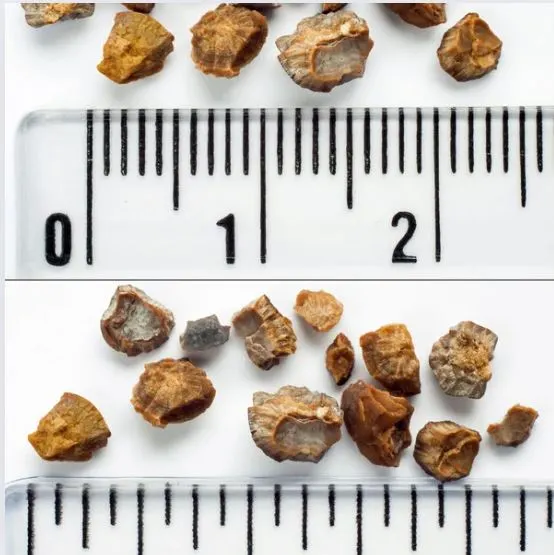
Do you Know?
99% of kidney stones can be treated
without open surgery.
“I will not cut, even for the stone, but leave
such procedures to the practitioners of the craft”
–Hippocrates Oath–
Great News: Kidney Stones of size 28 mm successfully removed with laser surgery
Complete stone management through laser treatment. No surgery required
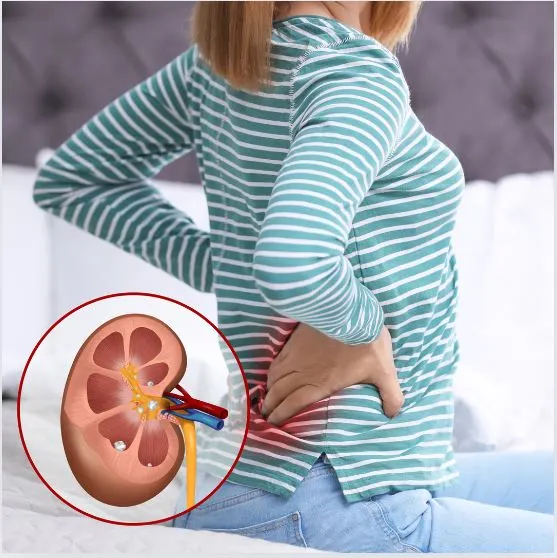
What are Kidney Stones and How Do They Form?
About Kidney Stones
Kidney stones are hard deposits made of minerals and salts that form in the kidneys. When there is too much waste in your urine and not enough liquid, these substances can crystallize and stick together, forming stones. These stones can vary in size, from as small as a grain of sand to as large as a golf ball.
The formation of kidney stones can be influenced by various factors such as genetics, diet high in oxalates or sodium, dehydration, and certain medical conditions like urinary tract infections or hyperparathyroidism. Some people may be more prone to developing kidney stones due to their lifestyle choices or underlying health issues.
As the kidney stone grows larger or moves around within the kidney or into the ureter (the tube connecting the kidneys to the bladder), it can cause intense pain and discomfort. Understanding how these stones form is crucial in determining the most appropriate treatment for effectively removing them from your system.
Diagnosing Kidney Stones
Diagnosis
Kidney stones can be diagnosed through:
- Imaging tests like CT scans, X-rays, or ultrasounds
- Urinalysis to check for crystals, blood, or infection
- Blood tests to identify excess minerals or metabolic issues
Diagnosing kidney stones often starts with a physical exam and a review of your medical history. Your doctor may order tests such as blood tests, urine tests, and imaging studies like X-rays or CT scans to confirm the presence of kidney stones. The results will help determine the size and location of the stone.
Symptoms like severe pain in the side and back, nausea, vomiting, and blood in the urine can be indicators of kidney stones. It’s crucial to communicate any discomfort you’re feeling to your healthcare provider promptly for an accurate diagnosis.
Once diagnosed, your doctor will discuss treatment options based on the type and size of your kidney stones. Early detection plays a vital role in managing kidney stones effectively before they cause further complications. Regular check-ups are essential for monitoring any recurring symptoms related to kidney stones.
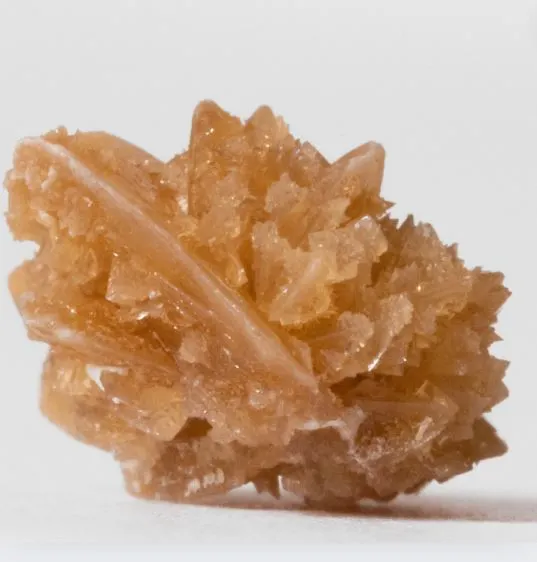
Types of Kidney Stones
Types
Kidney stones come in different types, each with its own composition and characteristics. The most common type is calcium stones, which form when there’s an excess of calcium in the urine. Another type is uric acid stones, caused by high levels of uric acid in the urine due to a diet rich in purines.
Struvite stones are less common but can grow quickly and become quite large. They are often associated with urinary tract infections.
Cystine stones are rare and caused by a genetic disorder that leads to excessive cystine in the urine.
There are also mixed or compound stones that contain a combination of various minerals like calcium oxalate and calcium phosphate.
Understanding the type of kidney stone you have is crucial for determining the most effective treatment plan tailored to your specific needs.
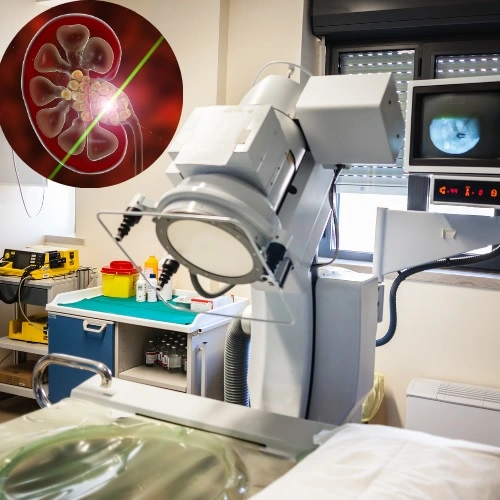
Types of Kidney Stone Removal Procedures
Treatments
Treatment options depend on the size and type of the stone and the severity of symptoms:
-
Small Stones with Minimal Symptoms:
- Drinking water: Staying hydrated helps flush out the stones.
- Pain relievers: Over-the-counter pain medications like ibuprofen or acetaminophen.
- Medical therapy: Medications to relax the ureter and help pass the stones more easily.
-
Large Stones or Stones Causing Significant Symptoms:
- One common procedure is Extracorporeal Shock Wave Lithotripsy (ESWL), which uses shock waves to break up the stones into smaller pieces that can be passed more easily.
- Another method is ureteroscopy, where a thin tube with a camera is inserted through the urethra and bladder to reach the stones in the urinary tract for removal after breaking down the stones into smaller size with laser.
- Percutaneous Nephrolithotomy/ keyhole surgery (PCNL) involves making a small incision in the back to access and remove larger or harder-to-reach kidney stones.
For very large or complex kidney stones, open surgery may be necessary to remove them directly from the kidneys. It’s essential to consult with a healthcare provider to determine the most suitable treatment option based on individual circumstances.
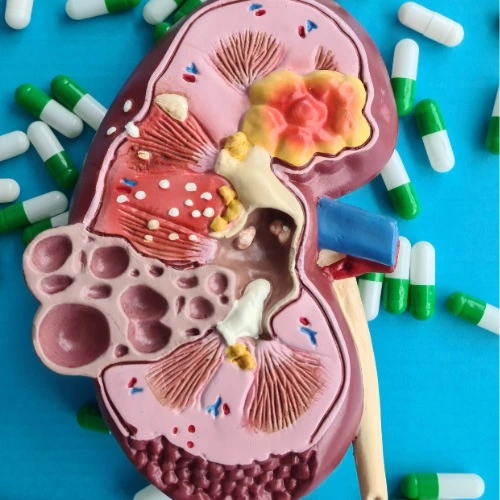
Non-medical Options for Kidney Stones
For individuals with kidney stones, non-surgical treatment options can be effective in breaking down and passing the stones without invasive procedures. One common approach is increased fluid intake to help flush out the stones naturally. Drinking plenty of water can dilute urine and prevent stone formation or aid in their passage.
Another non-surgical method is medication such as pain relievers to manage symptoms like severe pain or discomfort caused by kidney stones. Additionally, alpha-blockers may be prescribed to relax the muscles in the ureter, making it easier for small stones to pass through.
In some cases, dietary changes may also play a role in preventing future stone formation. This might involve reducing sodium intake, avoiding foods high in oxalates like spinach or nuts, and ensuring adequate levels of calcium from sources such as dairy products.
Non-surgical treatments offer a less invasive alternative for managing kidney stones and can be tailored based on the size and composition of the stones present. It’s important to consult with a healthcare provider to determine the most suitable approach for individual needs.
Recovery and Aftercare Tips
Post Treatment Care
After undergoing kidney stone removal treatment, it’s essential to focus on recovery and follow proper aftercare tips to prevent recurrence. Hydration is key – drink plenty of water to help flush out any remaining fragments and prevent new stones from forming. It’s recommended to aim for at least 8-10 glasses of water per day.
Rest and allow your body time to heal post-procedure. Avoid strenuous activities that could strain your kidneys during the recovery period. Incorporate a healthy diet rich in fruits, vegetables, and whole grains while reducing salt intake to maintain overall kidney health.
Follow up with your healthcare provider as scheduled for monitoring and potential further treatment if needed. Pay attention to any lingering symptoms or signs of infection that may require medical attention promptly.
Incorporate lifestyle changes such as regular exercise, stress management techniques, and maintaining a healthy weight to reduce the risk of future kidney stones. Prioritize self-care practices that support kidney health for long-term well-being.
Prevention of Kidney Stones
Prevention
Preventive measures include:
- Drinking plenty of water throughout the day.
- Reducing salt intake.
- Limiting foods high in oxalates (e.g., spinach, beets, nuts).
- Eating a diet rich in calcium but not taking excessive calcium supplements.
- Reducing consumption of animal proteins.
- Maintaining a healthy weight.
One of the best ways to prevent kidney stones is to stay hydrated. Drinking plenty of water throughout the day helps dilute substances in the urine that can lead to stone formation.
Maintaining a balanced diet rich in fruits, vegetables, and whole grains can also help reduce the risk of developing kidney stones. Avoiding foods high in oxalates, such as spinach, nuts, and chocolate, may be beneficial for those prone to forming stones.
Limiting sodium intake is important as high levels of salt can increase calcium in the urine, leading to stone formation. Be mindful of your salt consumption by avoiding processed foods and opting for fresh ingredients when cooking meals.
Regular exercise not only promotes overall health but can also lower the risk of kidney stones. Physical activity helps maintain a healthy weight and reduces stress on the kidneys, decreasing the likelihood of stone development.
Incorporating these preventive measures into your daily routine can significantly decrease your chances of experiencing painful kidney stones. By taking proactive steps towards maintaining good hydration levels, following a balanced diet, watching your sodium intake, and staying active – you can protect yourself from this uncomfortable condition.
Frequently Asked Questions
FAQs
-
When should I see a doctor for kidney stones?
You should see a doctor if you experience:
- Severe pain that makes it hard to sit still or find a comfortable position
- Pain accompanied by nausea and vomiting
- Pain accompanied by fever and chills
- Difficulty passing urine
- Blood in the urine -
How effective is ESWL in treating kidney stones?
ESWL is highly effective for stones up to 2 cm in size, with a success rate of about 70-90%. Factors influencing its success include stone size, location, and the patient’s body habitus. Multiple treatments may be necessary for complete stone clearance.
-
What is the recovery time after kidney stone removal surgery?
Recovery time varies depending on the type of surgery:
ESWL: Most patients can return to normal activities within a few days, but they may experience bruising, pain, or discomfort for several weeks.Ureteroscopy: Recovery usually takes a few days to a week. Patients may experience mild discomfort or blood in the urine.
PCNL: Recovery can take 1-2 weeks. Patients might stay in the hospital for a few days post-surgery and experience more significant pain and discomfort.
Open Surgery: Recovery is the longest, typically taking 4-6 weeks. This procedure involves a hospital stay and a longer period of limited activity.
-
Can I treat kidney stones myself?
Treating kidney stones yourself is possible in some cases, especially if the stones are small and not causing severe symptoms. Here are some self-care measures that can help:
Hydration: Drink Plenty of Fluids: Aim for at least 2-3 liters of water per day to help flush out small stones. Staying well-hydrated dilutes substances in urine that lead to stones.
Pain Management: Over-the-Counter Pain Relievers: Medications like ibuprofen, acetaminophen, or naproxen can help manage pain associated with passing a kidney stone.
Medical Expulsive Therapy: Medications: Alpha-blockers (e.g., tamsulosin) can relax the muscles in the ureter, which may help stones pass more easily. These require a prescription from a doctor.
Dietary Changes
- Reduce Sodium Intake: High sodium levels can increase calcium in urine, leading to stone formation.
- Limit Foods High in Oxalate: Such as spinach, beets, nuts, and chocolate.
- Moderate Animal Protein: Reducing intake of meat, eggs, and fish can lower uric acid levels in urine.
- Ensure Adequate Calcium: Consume calcium-rich foods rather than supplements to reduce the risk of stones.
Conclusion
Kidney stones can be a painful and uncomfortable experience for those who suffer from them. However, with advancements in medical technology and various treatment options available, managing and removing kidney stones has become more effective and less invasive.
Whether opting for surgical procedures like lithotripsy or ureteroscopy or exploring non-surgical treatments such as medication and lifestyle changes, there are ways to address kidney stones based on their type and size.
Remember that prevention is always better than cure when it comes to kidney stones. Staying hydrated, maintaining a balanced diet low in salt and oxalate-rich foods, and adopting healthy habits can go a long way in reducing the risk of developing these painful formations.
By understanding the formation of kidney stones, recognizing symptoms early on, seeking timely medical advice for diagnosis and treatment options tailored to your specific condition – you can effectively manage kidney stones and pave the way toward a healthier future.