Platelet Rich Plasma
Platelet Rich Plasma Treatment: Applications, Process & Benefits
Platelet-rich plasma (PRP) treatment has been gaining popularity in the medical and aesthetic world for its versatile applications. From hair loss to facial rejuvenation, PRP offers a natural and effective solution for various health and cosmetic concerns.
Let's look into the process of obtaining PRP, its diverse applications in medicine, the procedure involved, the benefits of treatment, and common misconceptions surrounding it.
If you're curious about whether PRP is the right choice for you, keep reading to discover more!

What is Platelet Rich Plasma (PRP)?
Platelet Rich Plasma (PRP) is a cutting-edge treatment that harnesses the healing power of your body's own platelets. These tiny cell fragments play a crucial role in blood clotting and tissue repair, containing growth factors that stimulate cell regeneration and collagen production. PRP therapy involves extracting a small amount of your blood, which is then processed to separate the platelets from other components.
The concentrated platelet-rich plasma is then injected back into the targeted area, promoting natural healing and rejuvenation. This non-invasive procedure has minimal risks or side effects since it utilizes your body's natural resources. Whether you're seeking to address hair loss, skin concerns, or joint pain, PRP offers a safe and effective solution with promising results.
How PRP is Obtained?
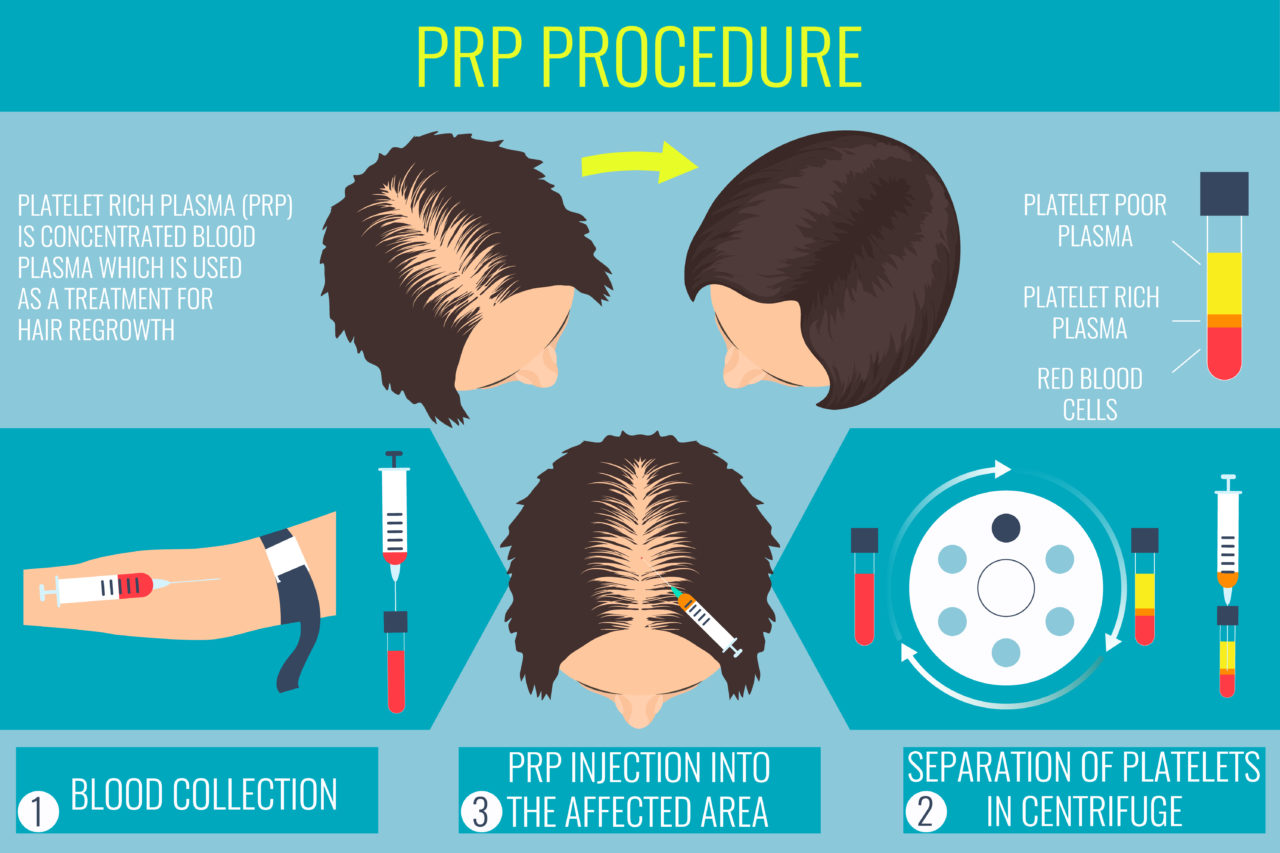
Platelet Rich Plasma (PRP) is obtained through a simple and minimally invasive procedure that involves drawing a small amount of blood from the patient. The blood is then placed in a centrifuge machine, which spins at high speeds to separate the platelets from other components like red blood cells and plasma. Once separated, the concentrated platelets are collected to create PRP.
The process ensures that the PRP contains a higher concentration of growth factors and proteins compared to normal blood. These growth factors play a crucial role in promoting tissue repair, regeneration, and healing when injected back into the targeted area of treatment.
By harnessing the body's natural healing properties in this way, PRP offers an effective solution for various medical conditions ranging from orthopedic injuries to skin rejuvenation treatments.
Applications of PRP in Medicine
Platelet Rich Plasma (PRP) has a wide range of applications in medicine, thanks to its regenerative properties. One common use is in orthopedic treatments, where PRP injections can help accelerate the healing process for injuries like tendonitis or osteoarthritis.
In dermatology, PRP is popular for skin rejuvenation treatments due to its ability to stimulate collagen production and improve skin texture. Dentistry also benefits from PRP in procedures such as dental implants and bone grafting, promoting faster healing and reducing complications.
Furthermore, PRP is utilized in sports medicine for treating muscle strains or ligament injuries among athletes looking to expedite their recovery process. Additionally, it has shown promising results in ophthalmology for conditions like dry eyes or corneal ulcers.
The versatility of PRP makes it a valuable asset across various medical specialties, offering natural solutions for enhancing tissue repair and regeneration.
PRP Process and Procedure
Platelet Rich Plasma (PRP) treatment involves a simple and minimally invasive procedure that harnesses the healing properties of your own blood. The process begins with a small sample of blood being drawn from your arm, similar to a routine blood test.
The collected blood is then placed in a centrifuge machine, where it is spun at high speeds to separate the platelets from other components. Once separated, the concentrated platelets are extracted and prepared for injection.
Before injecting the PRP into the targeted area, such as the scalp for hair loss treatment or facial skin for rejuvenation, numbing cream may be applied to ensure comfort during the procedure. The PRP is carefully injected into specific areas using fine needles under sterile conditions.
The PRP process and procedure are relatively quick and convenient, typically taking about 30-60 minutes depending on the area being treated. Afterward, you can resume your daily activities with minimal downtime.
Benefits of PRP Treatment
Platelet Rich Plasma treatment offers a range of benefits for various medical and cosmetic purposes. One key advantage is its ability to stimulate tissue regeneration and repair, making it a valuable tool in accelerating the healing process.
Additionally, PRP can help improve skin texture and tone by promoting collagen production, leading to a more youthful appearance. It has also been used effectively in treating musculoskeletal injuries such as tendonitis or arthritis, providing relief from pain and enhancing mobility.
Another benefit of PRP treatment is its minimal risk of adverse reactions since the plasma used comes from the patient's own blood, reducing the chances of allergic reactions or rejection. Moreover, PRP therapy is non-invasive and typically well-tolerated by most individuals.
The diverse benefits of Platelet Rich Plasma treatment make it a versatile option for those seeking natural healing and rejuvenation solutions.
Sessions required
When considering Platelet Rich Plasma (PRP) treatment, it's important to understand that the number of sessions required can vary depending on the specific condition being treated.
In general, multiple PRP sessions are often recommended to achieve optimal results. These sessions are typically spaced out over a period of weeks or months to allow for the full benefits of the treatment to be realized.
The exact number of sessions needed will be determined by your healthcare provider based on your individual needs and goals. Factors such as the severity of your condition, your body's response to treatment, and other variables will all play a role in determining how many sessions you may require.
It's important to follow your healthcare provider's recommendations regarding the frequency and timing of PRP treatments in order to maximize their effectiveness and achieve the best possible outcome for your specific condition.
Which Treatments can be Combined with PRP?
Platelet Rich Plasma (PRP) treatment can be combined with various other treatments to enhance results and provide comprehensive care. One common combination is PRP therapy with microneedling, a procedure that involves creating tiny punctures in the skin to stimulate collagen production.
When paired with PRP, microneedling can boost the absorption of growth factors and promote faster healing.
Another popular combination is PRP injections with dermal fillers for facial rejuvenation. By combining these treatments, patients can achieve both volume restoration and improved skin texture simultaneously.
Additionally, PRP can also be used in conjunction with hair transplant procedures to promote better graft survival and accelerate recovery.
Furthermore, PRP therapy can complement laser treatments for skin rejuvenation by enhancing the overall results and reducing downtime. The versatility of PRP allows it to be seamlessly integrated into various aesthetic and medical procedures for optimal outcomes.
How PRP Helps in Treating Hair Loss?
Platelet Rich Plasma (PRP) treatment is a cutting-edge solution for hair loss that harnesses the body's own healing powers. By using PRP injections, enriched with growth factors and platelets from the patient's blood, hair follicles are stimulated to promote hair growth and thickness.
The process begins by drawing a small amount of blood from the patient, which is then spun in a centrifuge to separate the platelet-rich plasma. This concentrated formula is then injected into the scalp where hair thinning or balding areas are present.
PRP helps in treating hair loss by stimulating dormant hair follicles, promoting new cell growth, and improving blood circulation to the scalp. The result? Thicker, healthier hair that lasts longer than traditional treatments.
Whether you're experiencing male pattern baldness or alopecia, PRP offers a non-surgical option with minimal downtime and natural-looking results. Say goodbye to thinning locks and hello to revitalized confidence with PRP for hair loss treatment.
PRP for Facial Rejuvenation
Platelet Rich Plasma (PRP) treatment for facial rejuvenation has gained popularity in recent years for its ability to enhance skin tone and texture, reduce fine lines and wrinkles, and promote collagen production.
The process involves extracting a small amount of blood from the patient, which is then spun in a centrifuge to separate the platelet-rich plasma. This PRP is then injected back into specific areas of the face to stimulate natural healing and regeneration.
The growth factors present in PRP help boost cell turnover, improve skin elasticity, and increase hydration levels. As a result, patients often experience firmer, smoother, and more youthful-looking skin after undergoing PRP facial rejuvenation treatments. Additionally, since PRP is derived from the patient's own blood, there is minimal risk of adverse reactions or side effects.
PRP for facial rejuvenation offers a non-invasive and natural way to achieve radiant and refreshed skin without the need for surgery or extensive downtime.
Benefits of PRP after Hair Transplant Procedure
After undergoing a hair transplant procedure, incorporating Platelet Rich Plasma (PRP) therapy can significantly enhance the results. PRP contains growth factors that promote healing and stimulate hair follicles for new growth.
This treatment can help increase blood flow to the scalp, improving the overall health of existing hair and promoting thicker, stronger strands.
One of the key benefits of PRP after a hair transplant is reducing inflammation and speeding up the recovery process. By injecting PRP into the treated areas, patients may experience less swelling and discomfort post-surgery. Additionally, PRP can aid in preventing shock loss – a common occurrence where native hairs shed due to trauma from surgery.
Furthermore, PRP therapy can contribute to better graft survival rates by providing essential nutrients directly to the transplanted follicles. This leads to improved density and natural-looking results over time. Many individuals have found that combining PRP with their hair transplant procedure has helped achieve more satisfactory outcomes in terms of both appearance and overall hair health.
Common Misconceptions about PRP
There are some common misconceptions about Platelet Rich Plasma (PRP) treatment that often lead to confusion among individuals. One of the most prevalent myths is that PRP is a painful procedure, but in reality, it involves minimal discomfort due to the use of numbing cream or local anesthesia.
Another misconception is that PRP treatments yield immediate results, when in fact, it may take several weeks to months for full effects to be visible as the body naturally heals and regenerates tissue. Additionally, some people believe that PRP is only used for cosmetic purposes, overlooking its wide range of applications in orthopedics and sports medicine.
It's also important to note that while PRP has been proven effective for certain conditions, it may not be suitable for everyone or every medical issue. Understanding these misconceptions can help individuals make informed decisions about whether PRP treatment is right for them.
Conclusion: Is PRP right for you?
Platelet Rich Plasma treatment offers a promising solution for various medical conditions, including hair loss and facial rejuvenation. By harnessing the body's natural healing properties, PRP can provide effective results with minimal risks or side effects.
Before considering PRP treatment, it is essential to consult with a qualified healthcare professional to determine if it is the right option for you. Factors such as your specific condition, medical history, and treatment goals will all play a role in deciding if PRP is suitable for your needs.
The decision to undergo PRP therapy should be based on thorough research and individualized recommendations from medical experts. If you are looking for a safe and natural way to improve your health or enhance your appearance, PRP may be the right choice for you.