Microscopic Dentistry & Lasers
Role & Benefits of Microscope & Laser in Dentistry
Discover the amazing benefits & role of using a microscope and laser in dentistry. Improve the precision, accuracy, and quality of treatment with these advanced equipments, which can make a huge difference in dental procedures and their success.
Benefits of Laser Dentistry
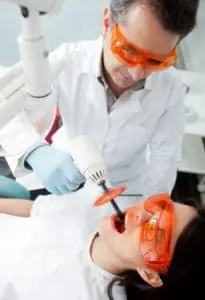
Laser dentistry represents a cutting-edge advancement in dental care, harnessing the power of concentrated light beams to perform a wide range of procedures with unparalleled precision and efficiency. This innovative technology has revolutionized various aspects of dental treatment, offering numerous benefits for both patients and practitioners alike.
Minimally Invasive
Laser dentistry is minimally invasive, avoiding discomfort and trauma caused by traditional dental procedures that use drills and other instruments. In contrast, lasers operate with remarkable precision, allowing for precise targeting of affected areas while minimizing damage to healthy tissue. This results in reduced pain, faster healing times, and a more comfortable experience for the patient.
Enhanced Precision & Accuracy
Furthermore, laser dentistry offers enhanced precision and control during procedures, enabling dentists to perform intricate tasks with greater accuracy. This level of precision is particularly beneficial for procedures such as cavity preparation, Gum contouring, and root canal therapy, where accuracy is paramount for successful outcomes.
Reduced Risk of Infection
Laser dentistry not only provides precision but also enhances sterilization and reduces the risk of infection. The high-energy light beams produced by dental lasers have antimicrobial properties, effectively eliminating bacteria and reducing the risk of post-operative complications. This makes laser procedures especially advantageous for patients with compromised immune systems or a heightened risk of infection.
Multiple Applications
Another significant benefit of laser dentistry is its versatility. Dental lasers have a wide range of applications, including treating gum disease, performing soft tissue surgery, teeth whitening, and even detecting cavities. This versatility allows dentists to offer comprehensive care to their patients, often with fewer appointments and less time spent in the dental chair.
Minimal Bleeding & Swelling
Furthermore, laser dentistry is often associated with minimal bleeding and swelling, further enhancing the patient experience and reducing the need for post-operative medications or interventions.
Overall, laser dentistry represents a transformative approach to dental care, offering numerous benefits in terms of precision, comfort, and efficiency.
As this technology continues to evolve, it holds the potential to revolutionize the way dental procedures are performed, ultimately leading to improved outcomes and enhanced patient satisfaction.
Benefits of Microscopic Dentistry
Microscopic dentistry, also known as dental microscopy or microdentistry, is a state-of-the-art approach that utilizes high-powered microscopes to enhance diagnostic accuracy, treatment precision, and overall quality of care.
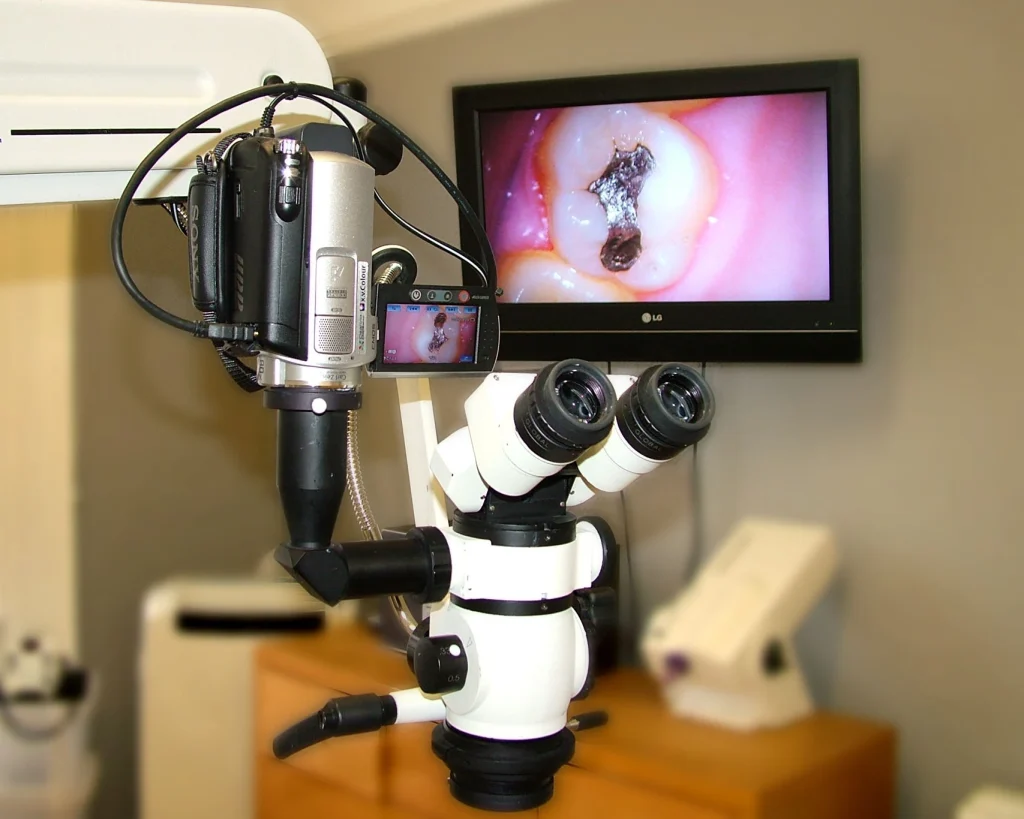
By magnifying the oral cavity up to 20 times or more, microscopic dentistry provides unparalleled visualization of dental structures and tissues, enabling dentists to perform procedures with remarkable precision and efficacy. Let's delve into some of the key benefits of this advanced technique:
Enhanced Precision
The use of dental microscopes enables dentists to detect even the tiniest dental problems, such as microfractures, small Cavities, or hairline cracks in Teeth. This level of precision allows for early intervention and prevention of escalating issues, resulting in improved treatment outcomes and long-term oral health.
Accurate Diagnosis
Through microscopic dentistry, dentists are able to accurately diagnose dental conditions by visualizing details that may have otherwise been missed. This is particularly beneficial for detecting early signs of gum disease, oral lesions, or abnormalities in tooth structure, allowing for timely intervention and personalized treatment planning.
Minimally Invasive Procedures
With microscopic dentistry, dentists can perform minimally invasive procedures with greater confidence and precision. By precisely targeting affected areas while preserving healthy tooth structure, microscopic techniques minimize the need for extensive dental work and help conserve as much natural tooth material as possible.
Improved Patient Communication
A dentist can visualize dental conditions and treatment options in real-time using microscopic dentistry. Patients can better understand their dental needs and become more engaged in the treatment process when they see their oral health issues magnified on a screen. As a result, patients are more satisfied with their dental experience because trust and collaboration are fostered between dentists and patients.
Advanced Treatment Modalities
Microscopic dentistry opens up new possibilities for advanced treatment modalities, such as endodontic therapy (root canal treatment), periodontal surgery, and dental implant placement. The enhanced visualization provided by dental microscopes enables dentists to perform these procedures with greater precision, resulting in better outcomes and faster recovery times for patients.
Quality Assurance
By incorporating microscopic dentistry into their practice, dentists can ensure a higher standard of care and quality assurance. The ability to visualize dental structures at a microscopic level allows for meticulous treatment planning and execution, reducing the likelihood of errors or complications during procedures.
Microscopic dentistry signifies a pivotal transformation in contemporary dental practice, offering a multitude of advantages in terms of precision, diagnosis, treatment effectiveness, and patient contentment. By harnessing the power of advanced technology, dentists can elevate the standard of care and provide patients with optimal oral health outcomes.